
 MCV/DEVELOP News, events, research and jobs from the games industry
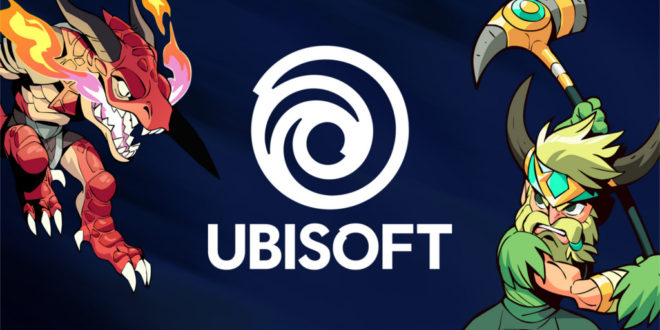
Ubisoft is on a shopping spree, as it snaps up another development studio to add to its ever growing game creation empire. Blue Mammoth Games is the latest addition and this acquisition gives the publisher a new esportsy toy to play with in Brawlhalla.
The 21-person team based in Atlanta, Georgia has created a popular and successful free-to-play fighting game in Brawlhalla and, with the studio’s purchase, Ubisoft takes ownership of the rights to the game too. This came just hours after Ubisoft announced its purchase of 1492 Studio and its mobile romance story IP, Is It Love?.
“The team at Blue Mammoth Games is expert at developing and running scalable, competitive, multiplayer online games, and they’ll be a great addition to Ubisoft’s network of studios,” says Laurent Detoc, president of Ubisoft NCSA. “With Brawlhalla, we’re getting a hugely popular and highly-profitable title that aligns with our strategy of expanding our audience and providing players with long-lasting, entertaining gaming experiences.”
“We’re looking forward to leveraging Ubisoft’s expertise and resources to continue developing and supporting Brawlhalla for the long term, and to benefiting from their help in bringing the game to new players,” say Matthew Woomer and Lincoln Hamilton, Blue Mammoth Games founders.


![golden joysticks clair obscur 660x330 1 [Industry news] Winners Announced at the 43rd Golden Joystick Awards](https://mcvuk.com/wp-content/uploads/golden-joysticks-clair-obscur-660x330-1-310x165.png)
![xds img header 1 [Industry news] XDS marks move to the Vancouver Convention Centre with 50% off tickets for first 100 developers](https://mcvuk.com/wp-content/uploads/xds-img-header-1-310x165.jpg)
![games [Industry news] Games for Change and Tencent Games expand Raising Good Gamers with new programme to help families navigate positive play in video games](https://mcvuk.com/wp-content/uploads/games-300x165.webp)